Pips and Points: The Trader’s Ruler

In the stock market, you might say a stock went up by a few "dollars" or a certain "percentage." But in the Forex world, where currencies move in tiny decimal increments, we use specific units called Pips and Points to measure distance.
1. What is a Pip (Percentage in Point)?
A Pip is the standard unit used to measure the change in value between two currencies. For most currency pairs, it is represented by the 4th decimal place.
Example: If the EUR/USD moves from 1.1000 to 1.1001, that is a movement of 1 Pip.
The Exception: Currency pairs involving the Japanese Yen (JPY) have fewer decimal places. In these pairs, a Pip is measured at the 2nd decimal place.
2. What is a Point?
A Point (sometimes called a "Pipette" or "Fractional Pip") is the smallest unit of price movement shown on modern trading platforms. It is typically the 5th decimal place.
The Relationship: 1 Pip = 10 Points
Example: If the price moves from 1.10000 to 1.10005, it has moved 5 Points (or 0.5 Pips).
3. Why Distinguish Between Pips and Points?
Today, most brokers show 5-digit pricing for higher precision. However, professional traders usually communicate in Pips because it is the universal standard for calculating performance and profit.
Easy to Remember: If someone says, "I made a 30 Pip profit today," it means the price moved 300 Points in their favor.
The Discipline of Goal Setting: The Discipline Message
Knowing your Pips and Points isn't just about counting how much money you’ve made; it’s about "Limiting Your Risk."
Stop Loss (SL): A disciplined trader defines a clear boundary, such as: "If the market moves 30 Pips against me, I will exit and accept the loss."
Take Profit (TP): Setting a target in Pips helps you avoid making emotional decisions to close a trade too early.
"Gamblers focus on the dollar amount, but disciplined traders focus on the distance (Pips) and the consistency of their system."
Next Lesson: Now that we know how to measure distance, we will explore Lots and Leverage. These are the factors that determine exactly how much money each Pip is worth to your bank account.
Series Table of Contents: Forex Fundamentals & The Path to Success
Ch 1: What is Forex? Trading Basics Simplified
Ch 2: Why Trade Forex? A Path to Freedom or a Debt Trap?
Ch 3: Bid, Ask, and Spread: The Costs You Must Know
Ch 4: Pips and Points: The Trader’s Ruler
Ch 5: Lots and Leverage: Mastering the Power of Multipliers
Ch 6: MetaTrader 4 & 5: Mastering the World’s Standard Trading Tools
Ch 7: Candlestick Charts: Reading Market Psychology through Price
Ch 8: What is a Trend? Trading with the Trend for Sustainable Profits
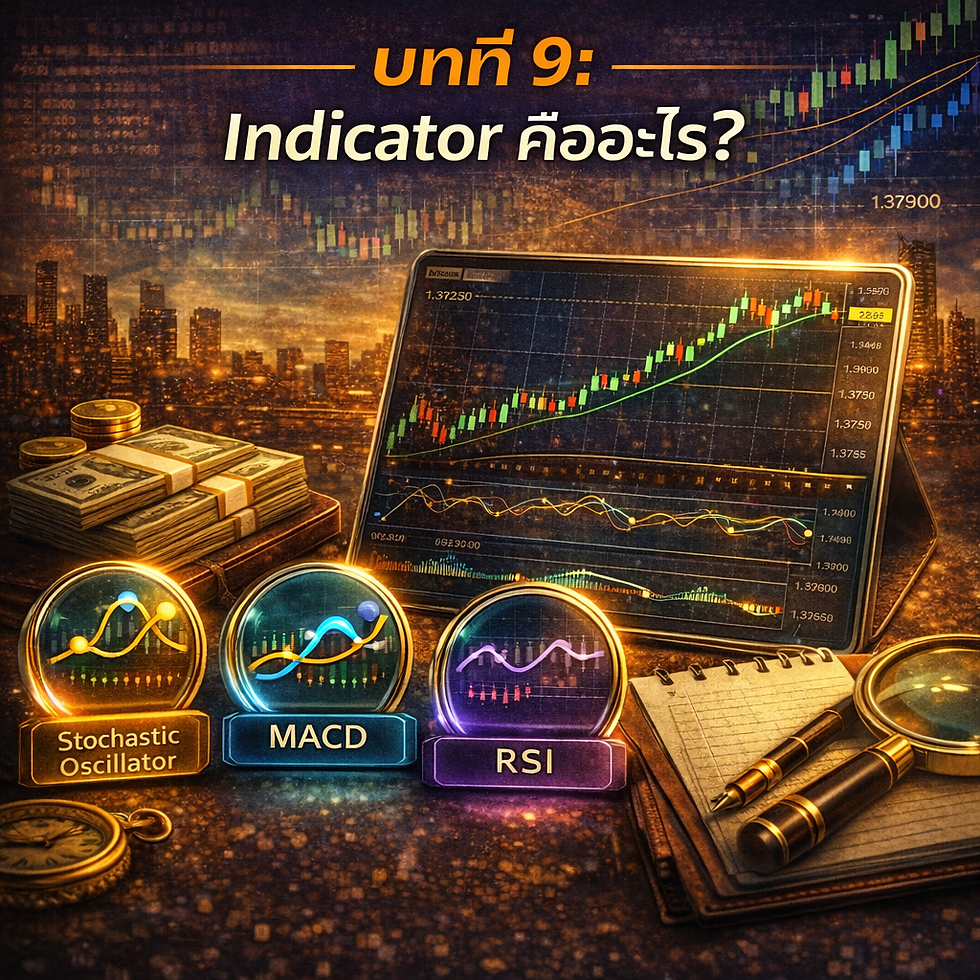
Ch 9: What are Indicators? Using Decision-Making Tools Wisely
Ch 10: Money Management (MM): The Iron Rule to Protect Your Capital
Ch 11: Trading Systems: Building Your Personal Profit Machine
Ch 12: Trading Mindset: The War Within Yourself
Ch 13: Choosing a Broker: Finding a Safe "Vault" for Your Funds
Ch 14: Economic News: How to Survive Market Storms
Ch 15: Professional Roadmap: Conclusion and the Sustainable Journey Ahead


Comments