Master the 5-Minute Forex Scalping Strategy: Pros, Cons, and Proven Techniques

For traders who crave excitement and quick results, Scalping is a must-know strategy. Following our guide on Essential Forex Terms for Beginners, today we’re diving deep into the world of high-speed trading—where profits are made in just a matter of minutes.
What is Forex Scalping?
Scalping is a short-term trading strategy where traders aim to capture small price movements (typically 5-10 pips) through a high volume of trades throughout the day. It focuses on lower timeframes, specifically the 1-minute (M1) or 5-minute (M5) charts.
Pros and Cons of Scalping
Pros | Cons |
Quick Results: No need to hold trades overnight, avoiding Rollover (Swap) fees. | Spread is Your Enemy: High spreads can quickly eat into your small profit targets. |
Frequent Opportunities: You can find dozens of trading setups within a single day. | High Discipline Required: One missed Stop Loss can wipe out a whole day's profits. |
Low Event Risk: Being in the market for only minutes reduces exposure to sudden news shocks. | Stressful: Constant monitoring and rapid decision-making can lead to mental fatigue. |
Indicator Setup for 5-Minute Scalping
To get the cleanest signals on an M5 chart, use the following configuration:
Exponential Moving Averages (EMA 50 & 200): To filter the trend (EMA 200 for major trend, EMA 50 for current momentum).
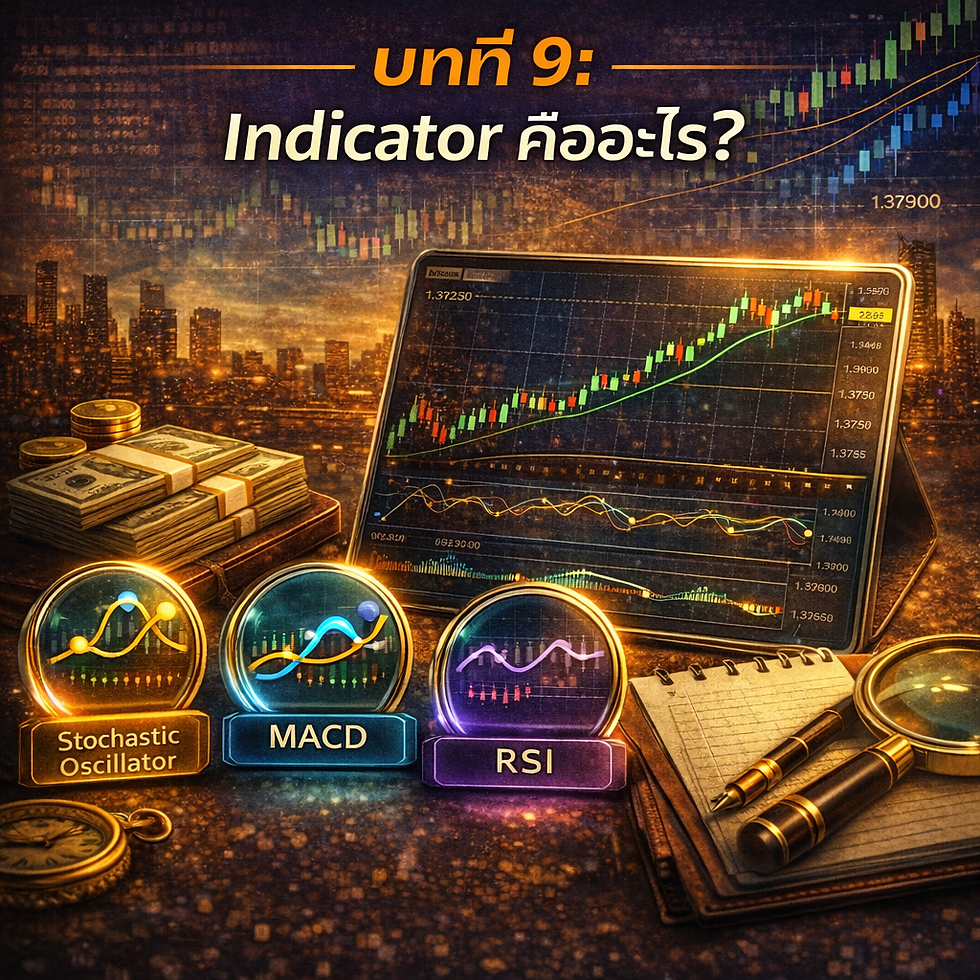
Stochastic Oscillator (5, 3, 3): To identify Overbought and Oversold conditions.
Average True Range (ATR): To calculate Stop Loss based on current market volatility.
4 Scalping Techniques for Every Trader
1. The Pullback Strategy (Trend Following)
Conditions: Price must be above (Buy) or below (Sell) both EMA 50 and 200.
Entry: Wait for the price to pull back to the EMA 50 and for the Stochastic to cross in the extreme zone (under 20 for Buy, over 80 for Sell).
Goal: Catch the continuation of the trend after a temporary dip.
2. EMA Cross (Momentum Based)
Tools: EMA 9 and EMA 21.
Entry: Buy when EMA 9 crosses above EMA 21. Sell when EMA 9 crosses below EMA 21.
Best for: High volatility periods like the London/New York session open.
3. Bollinger Band Rebound (Range Trading)
Tools: Bollinger Bands (20, 2) and RSI (14).
Entry: Buy when the price touches the Lower Band + RSI < 30. Sell when the price touches the Upper Band + RSI > 70.
Best for: Sideways markets with no major news.
4. Inside Bar Breakout (Price Action)
Mechanism: Look for a small candle (the child) completely engulfed by the previous candle (the mother).
Entry: Place a Buy Stop at the Mother Bar's high and a Sell Stop at its low.
Best for: Anticipating a breakout after a period of price consolidation.
Risk Management is Key
Scalping success depends on iron-clad discipline:
Stop Loss (SL): Place it at the previous candle's High/Low or use 1x ATR.
Take Profit (TP): Target a 1:1.5 or 1:2 Risk:Reward ratio.
Final Checklist: Always check the Spread and avoid trading during major High-Impact news releases.
Conclusion
Winning at 5-minute scalping isn't about how often you trade, but how well you wait for the perfect setup. If you aren't confident with Lot Size calculations yet, practice in a Demo account until your execution is flawless.


Comments